
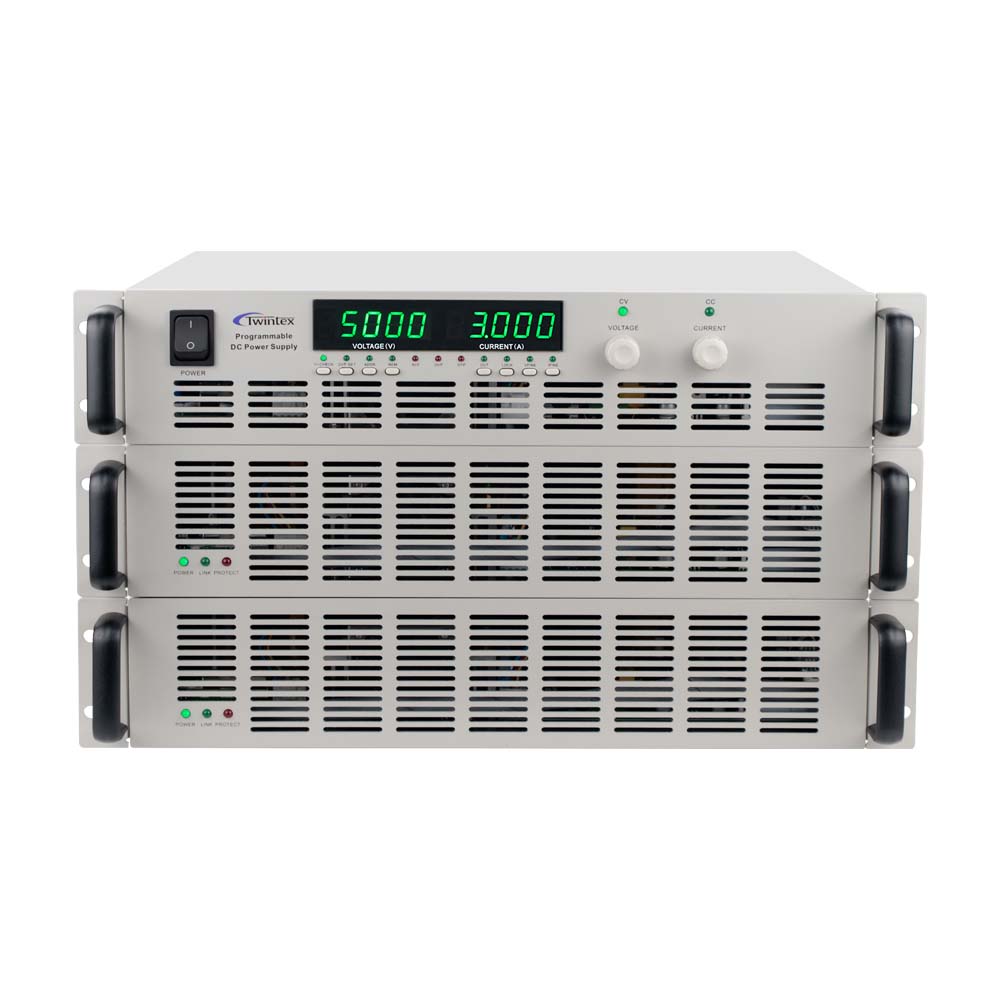
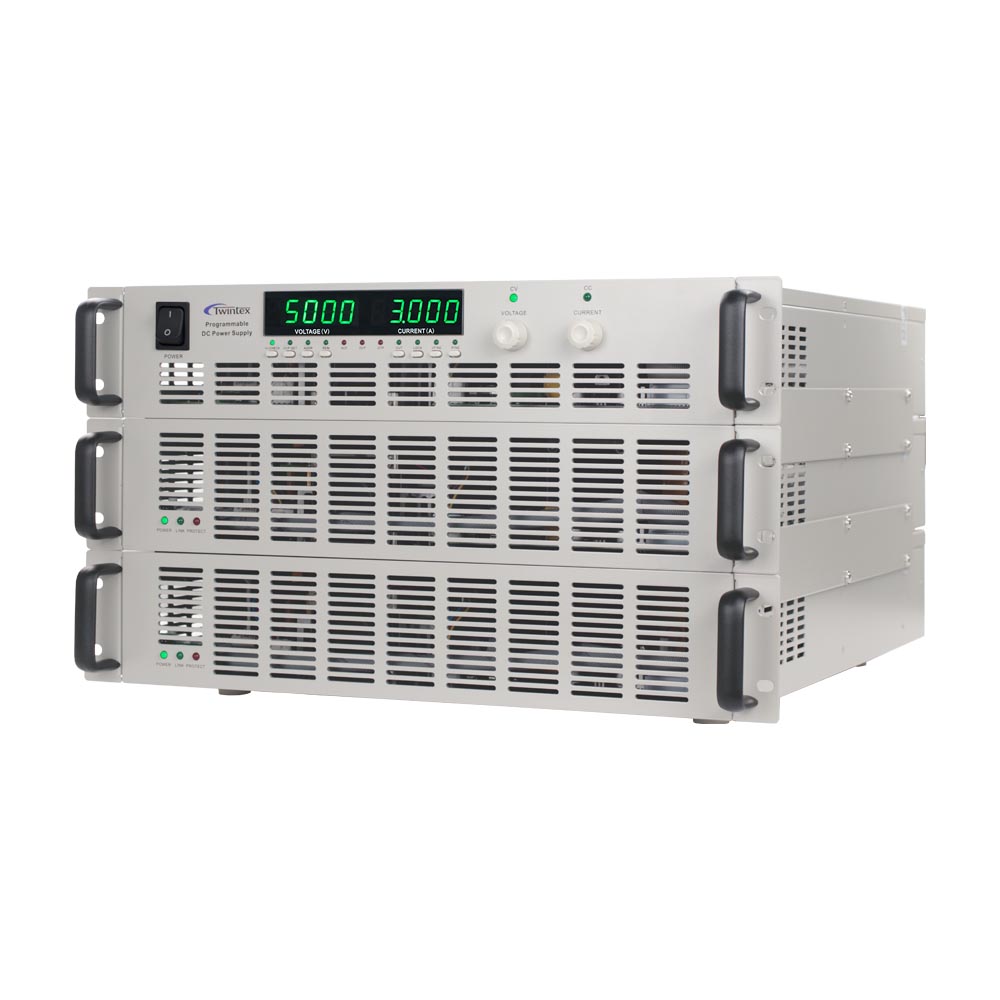
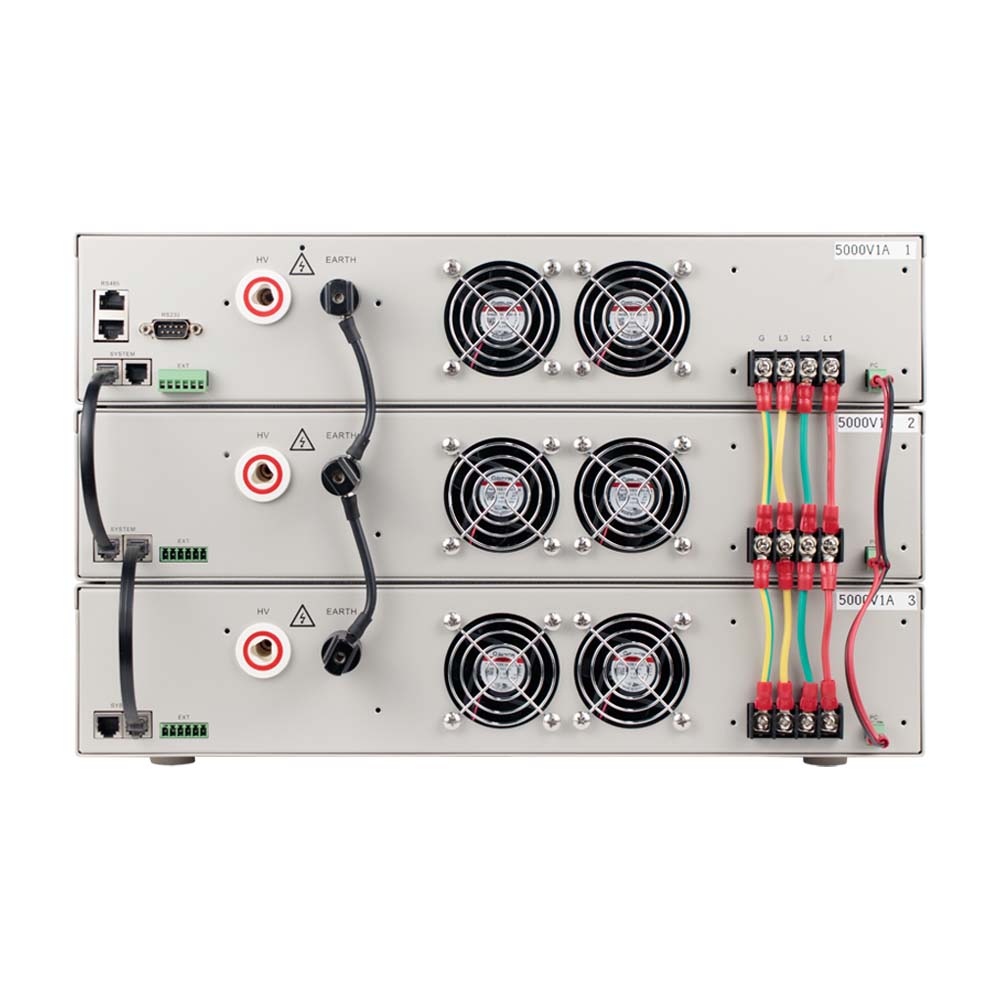
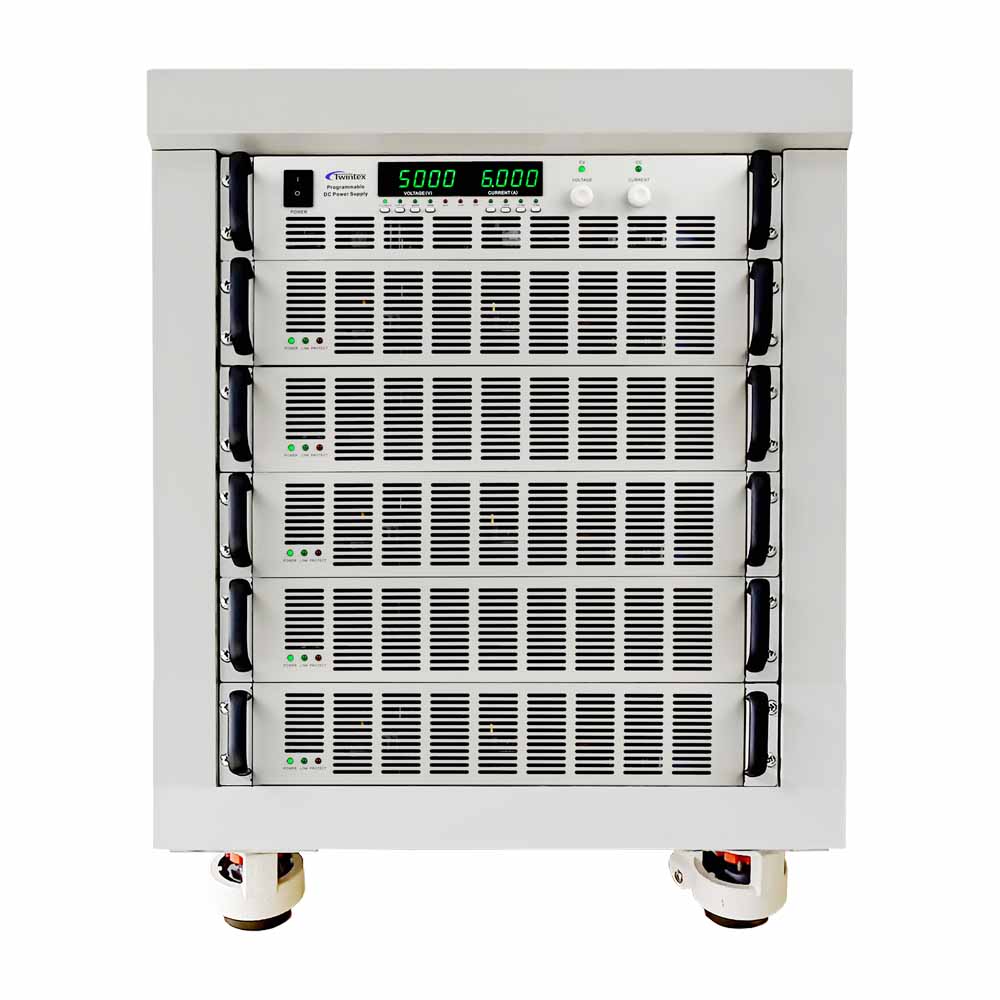
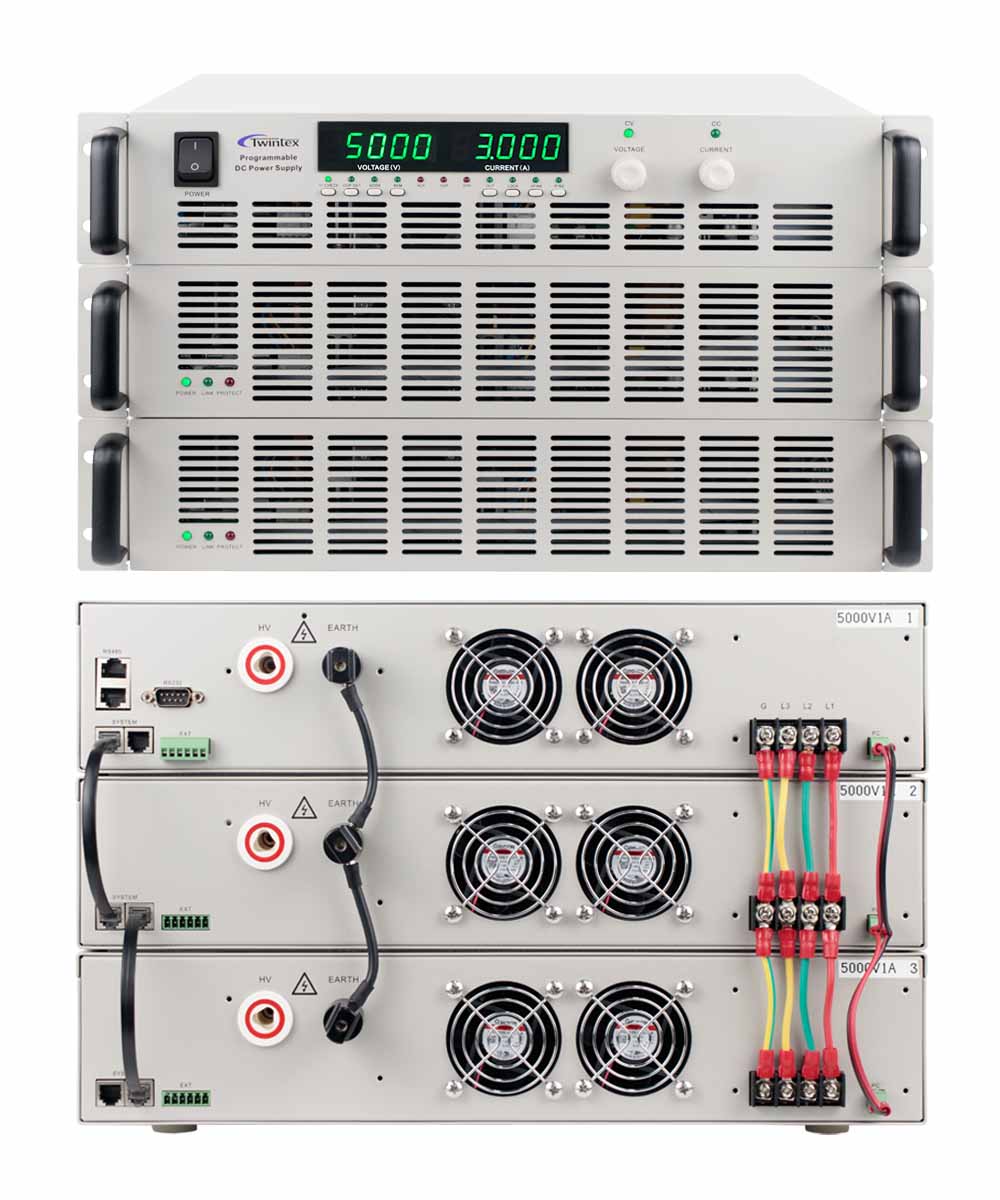
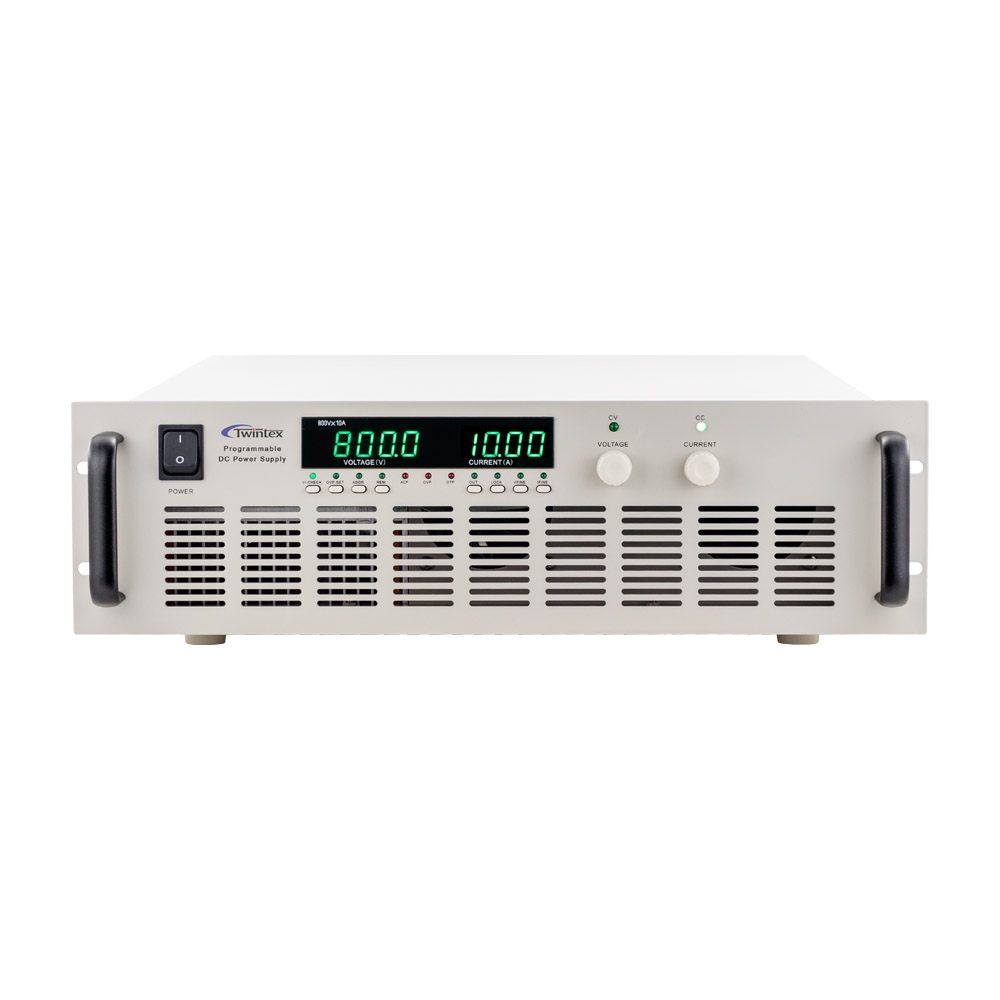
For 10kV high-voltage DC power supplies, the leap from 10kW to 100kW transforms the unit from a mere testing tool for components or materials into a “power source” capable of driving complete devices or even entire systems through burn-in testing. This spans application needs at various levels, from relatively low-power precision scientific equipment and medium-power industrial processing to high-power industrial production and radar systems.
10kV 1A – 2A High-voltage DC Power Supply 10kW – 20kW: Component-level precision verification
This power range targets precision burn-in testing for individual power semiconductor devices or low-power assemblies.
10kV 3A – 5A High-voltage DC Power Supply 30kW – 50kW: Assembly-level power stress testing
As current requirements rise to the ampere level, the test subjects shift to power assemblies capable of handling higher currents. Typical tests include:
- Power Cycling: Applying periodic current to devices such as IGBT modules to induce self-heating, thereby simulating real-world temperature fluctuations and assessing resistance to thermal fatigue.
- Capacitor Burn-in: Subjecting high-voltage capacitors to rated voltage for extended periods to heal dielectric defects and enhance product reliability.
10kV 6A – 8A High-voltage DC Power Supply 60kW – 80kW: Device-level full-unit verification
At this stage, the complete device serves as the test subject, simulating actual operating conditions. Examples include full-load burn-in testing for complete units such as 10kV-class high-voltage power modules or high-power inverters. This simulates long-term operation at rated power to validate overall thermal design and long-term stability.
10kV 10A High-voltage DC Power Supply 100kW: System-level stress testing
The 100kW-class 10kV high-voltage power supply is a “heavy-duty asset” in the field of burn-in testing, used to push devices or systems to their limits. For example, it is used for applications such as ultimate stress testing, burn-in testing of ultra-high-power equipment, inrush current testing, and short-circuit withstand testing, to evaluate a device’s ability to withstand extreme current surges.
 English
  Français
  Español
  Русский
  Português