
With the rapid growth of industrialization, the generation of wastewater grows even faster. The discharge of untreated wastewater severely degrades aquatic ecosystems and public health. The demand for wastewater treatment is becoming increasingly prominent.
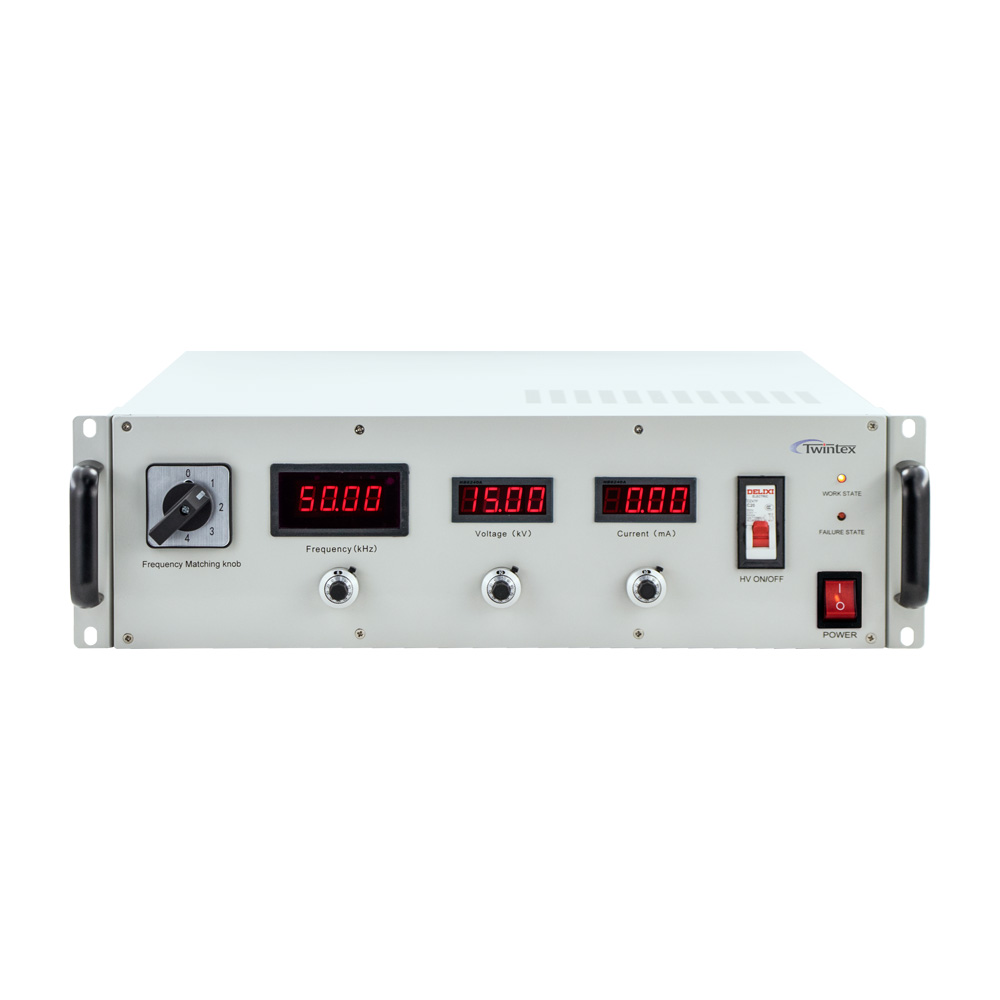
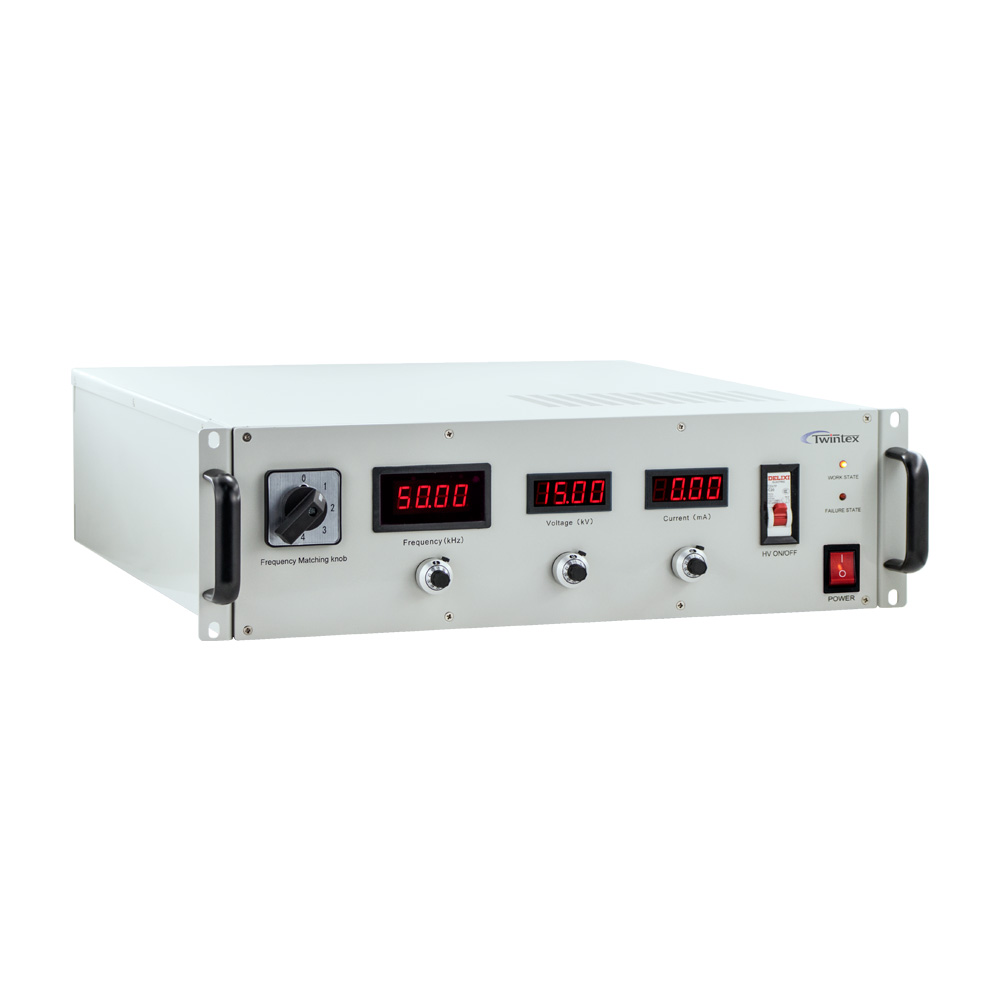
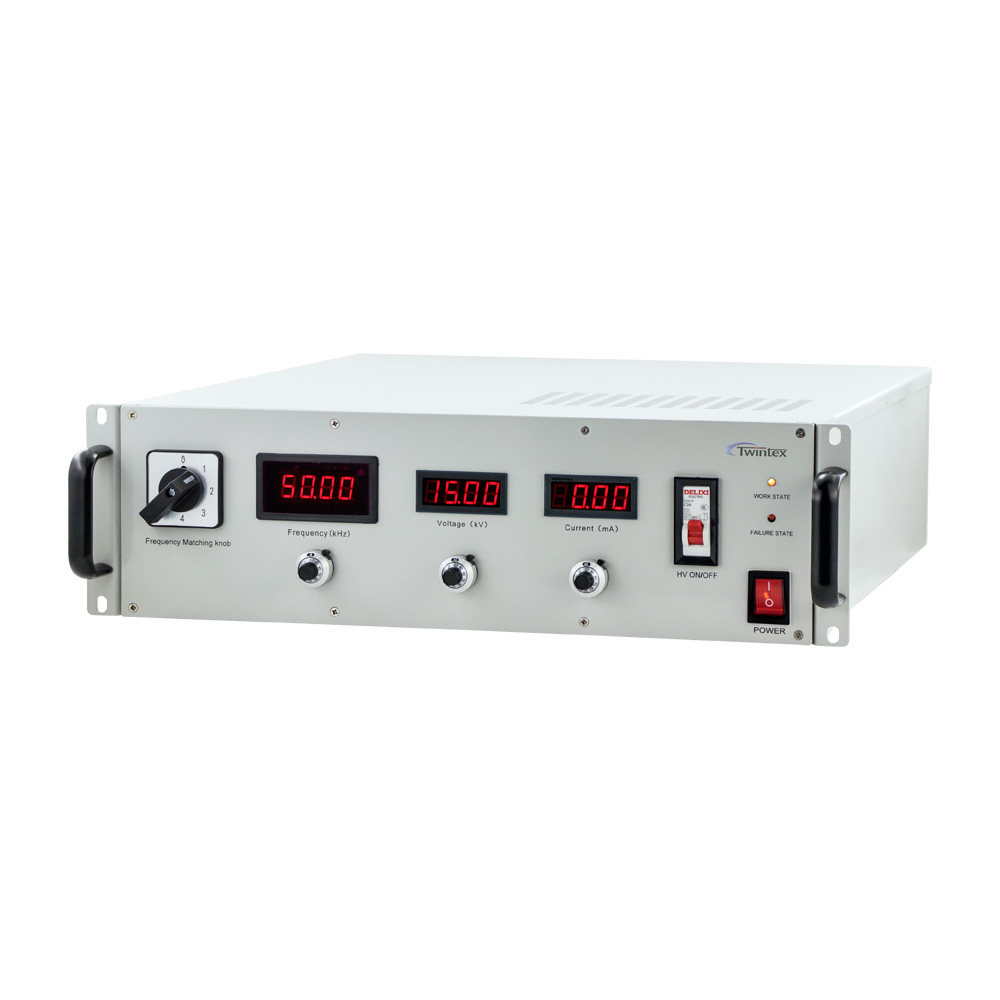
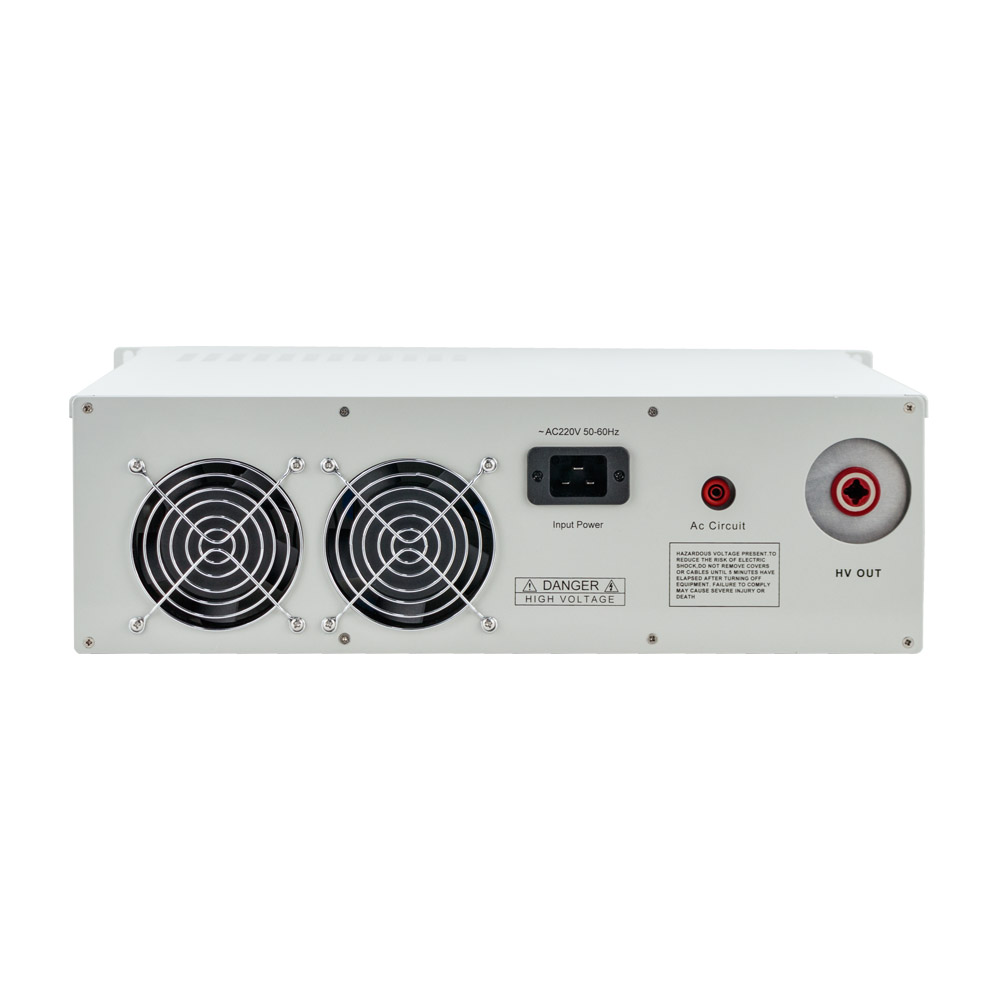
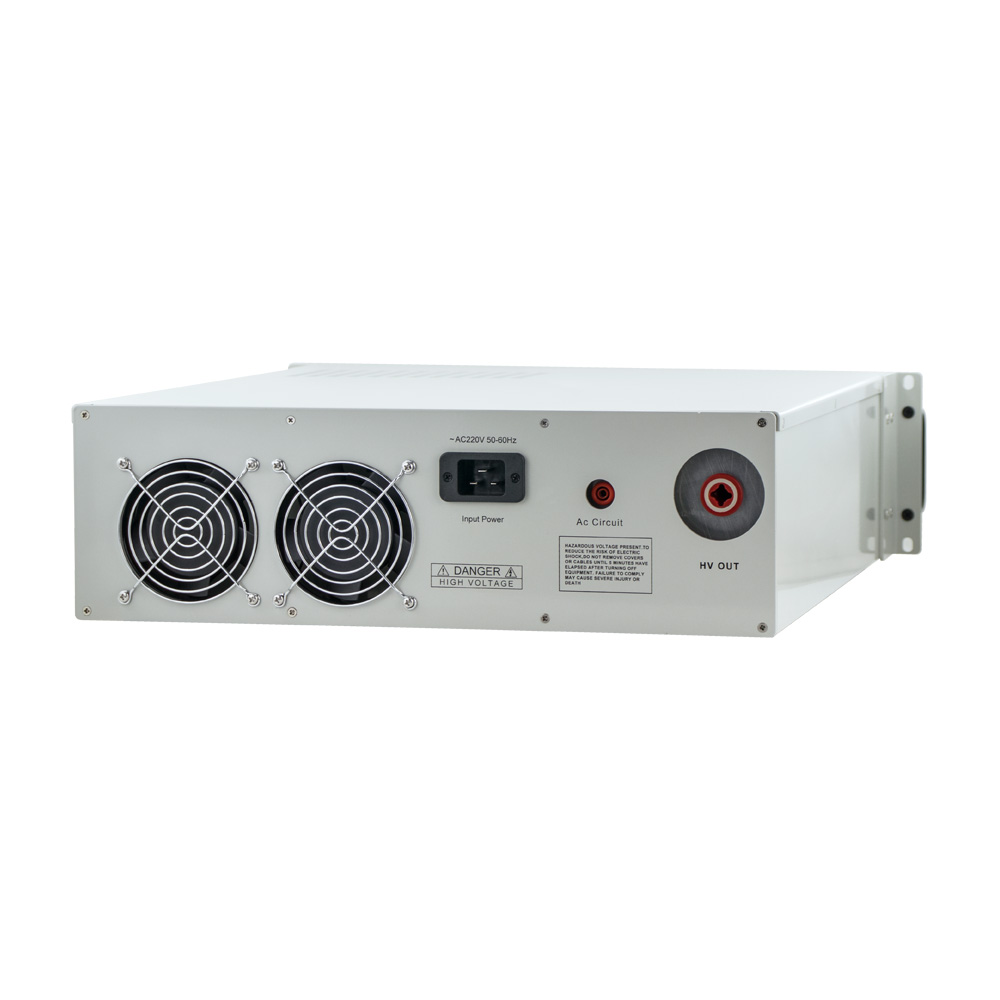
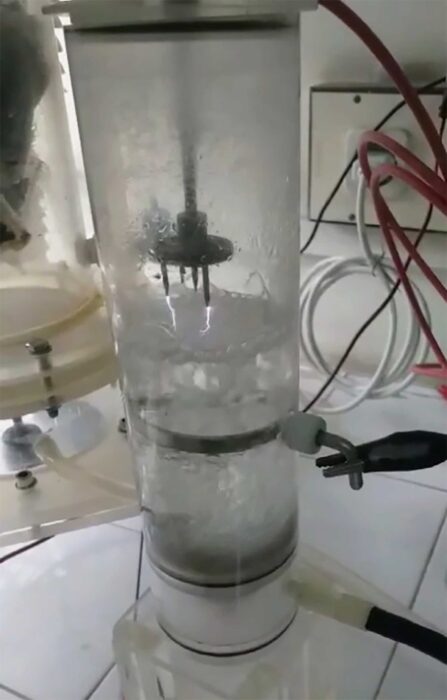
Plasma wastewater treatment is an advanced technology by utilizing high-energy plasma (ionized gas) to decompose pollutants. The generation of ionized gas uses a plasma reactor based on a hybrid dielectric barrier discharge (HDBD).
Simply put, the core principle of plasma-based wastewater treatment technology is the utilization of high-energy electrical discharges to generate plasma, which is then employed to decompose pollutants.
Plasma Generation: High-voltage electricity or microwaves are used to ionize a gas (such as air) into charged particles—specifically electrons and ions—thereby forming a plasma.
Pollutant Decomposition: These high-energy particles either directly collide with the organic matter present in the wastewater or generate potent oxidizing agents (such as hydroxyl radicals, ·OH), which oxidize the pollutants into harmless small molecules (such as carbon dioxide and water).
The voltage range typically employed for high-energy plasma treatment of industrial wastewater falls between 10kV and 50kV (frequency 1kHz to 100kHz), depending on the specific type of technology and the characteristics of the wastewater.
Dielectric Barrier Discharge (DBD) commonly utilizes voltages ranging from 15kV to 20kV.
ARC discharge may require 20kV to 30kV.
Certain specialized techniques—such as sulfate radical activation—even necessitate high voltages of 45kV to 50kV.
The plasma wastewater treatment technology is rapidly transitioning from the laboratory into the environmental protection market.
 English
  Français
  Español
  Русский
  Português